






Description
Sugar-coated color.
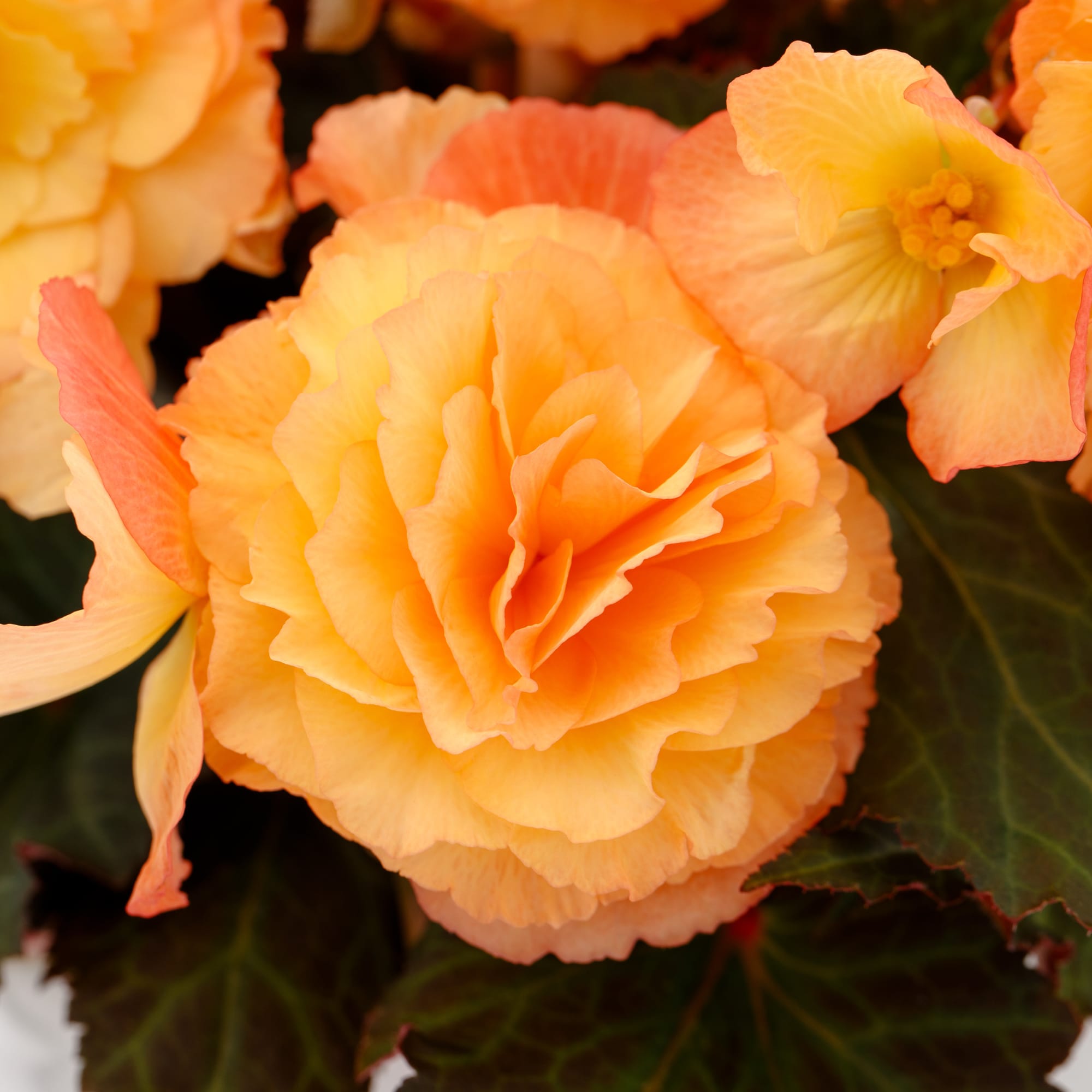
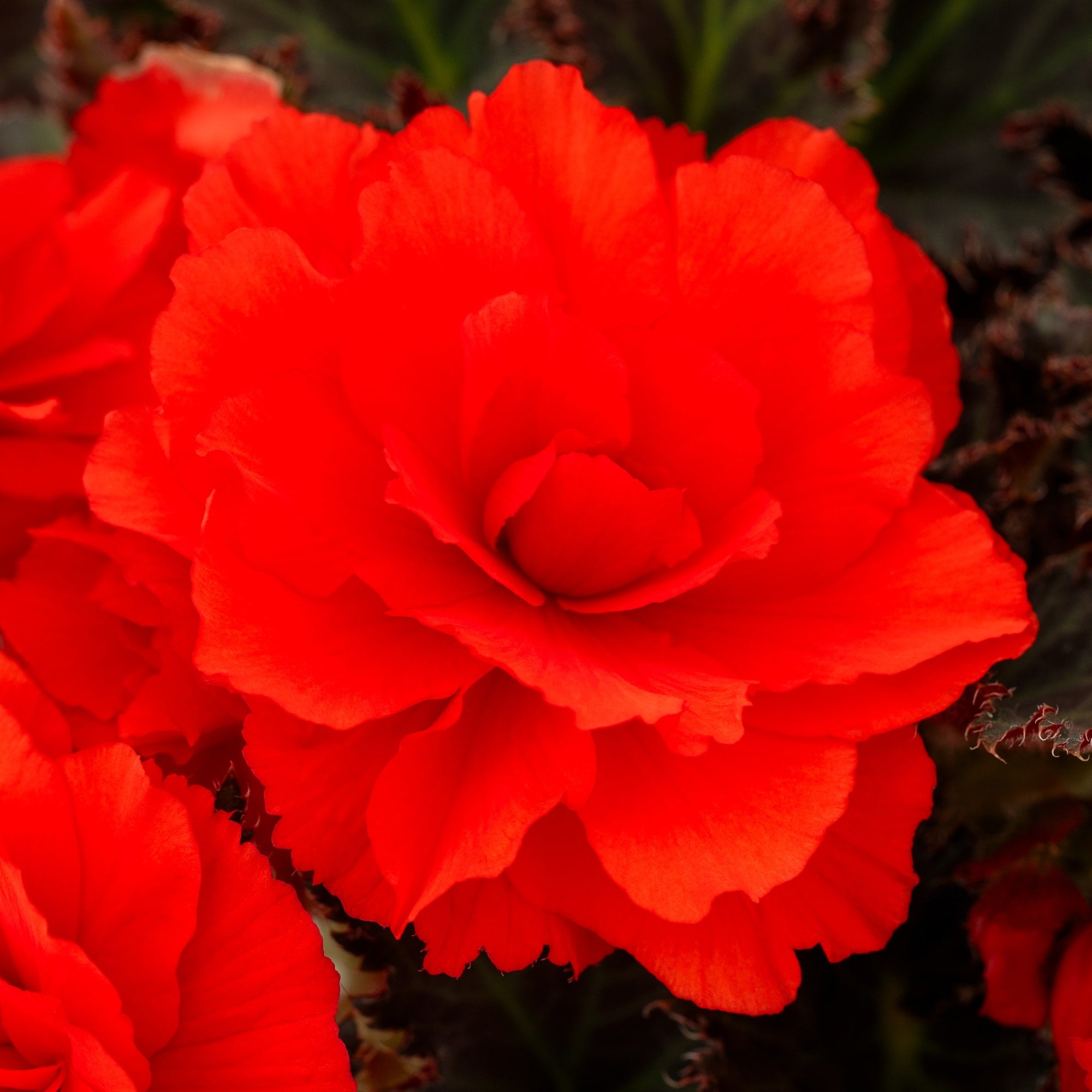
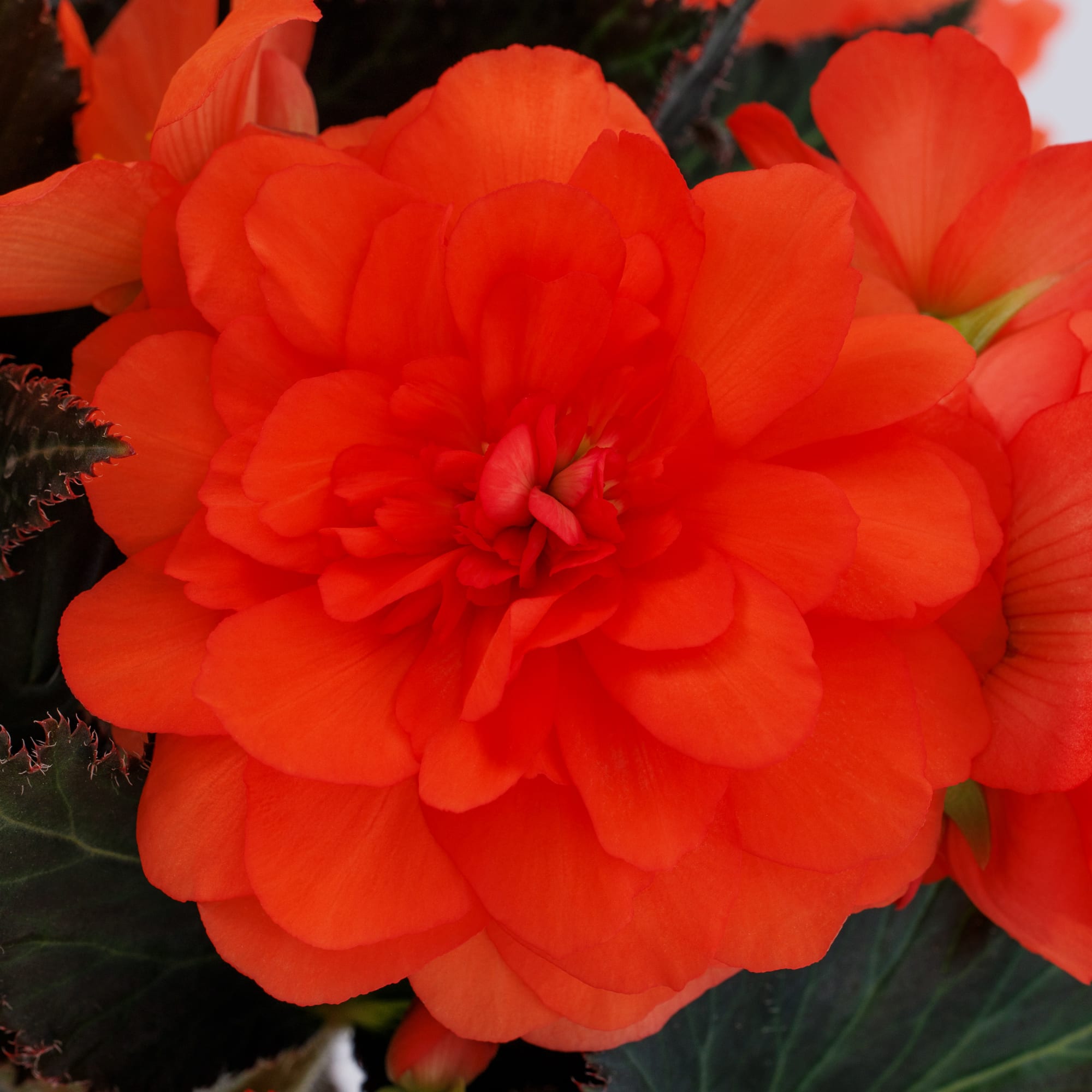
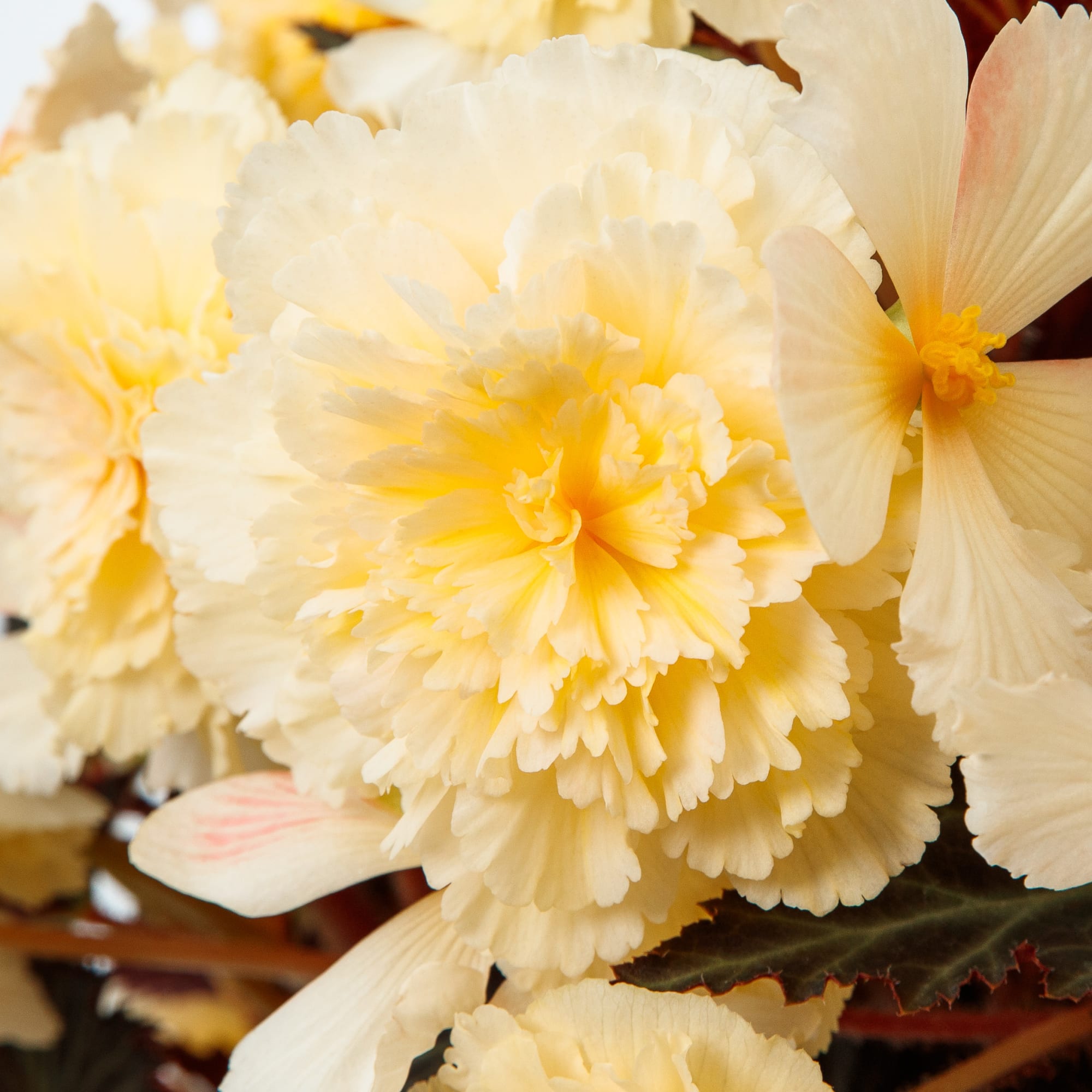
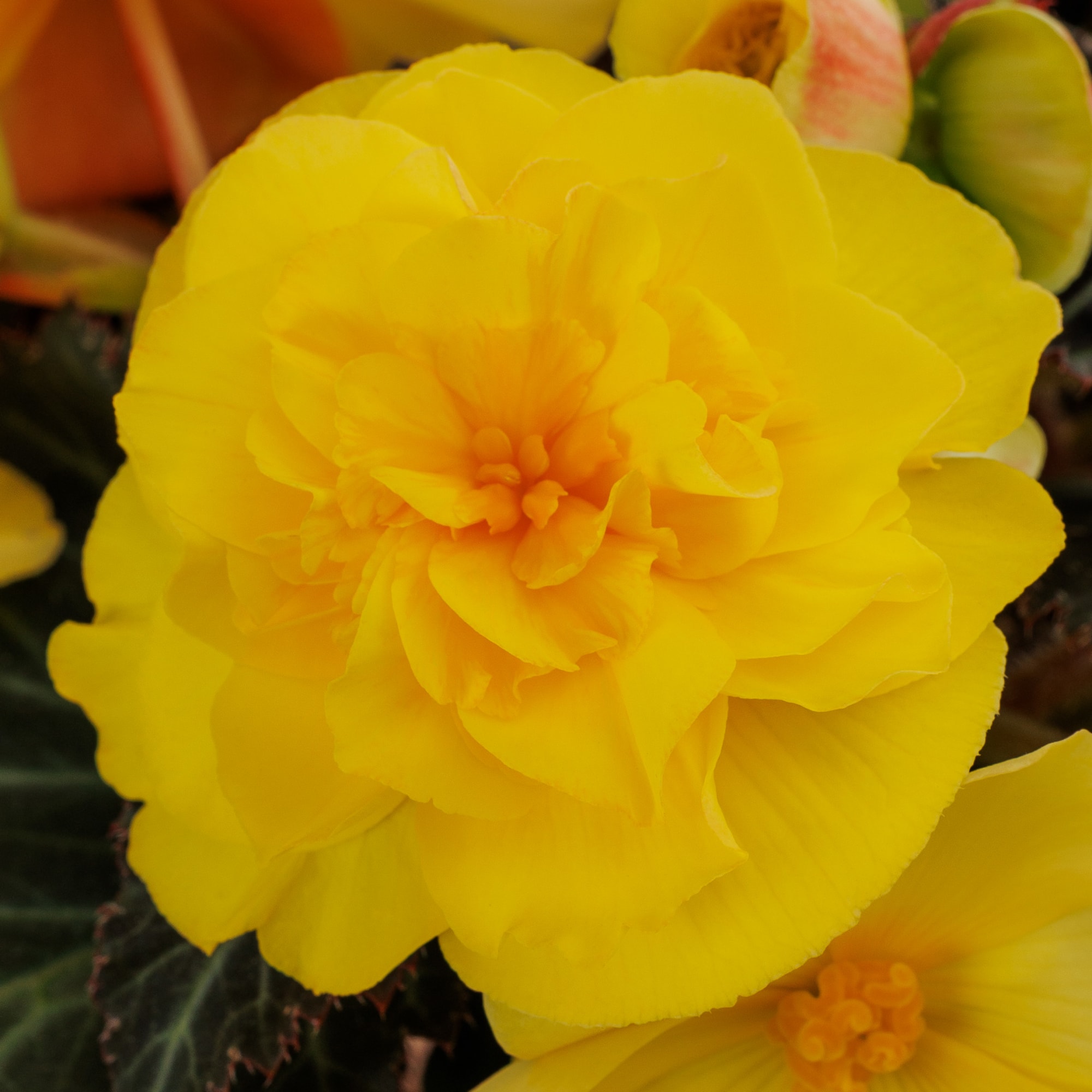
- iCandy hybrid begonias feature large double flowers in vibrant, bright colors set against dark chocolate foliage.
- Ideal for quarts and larger pots, iCandy flourishes in part sun and shade, making it a great choice for adding color on porches and patios.
-
Captivate retail shoppers with eye-catching hanging baskets that bring elegance to any outdoor space.
Availability
Features

Growing information
Culture Information
iCandy Begonia
Begonia x hybrida
Product form: Vegetative
Containers: Quarts, Gallons, Hanging Baskets
Habit: Mounded
Garden Specifications
Garden height: 10–14” (25–35 cm) tall
Garden width: 12–16” (25–35 cm) wide
Exposure: Part Sun
USDA zone: 9–11
AHS zone: 1–10
Product use: Containers, Hanging Baskets, Patio Pots, Combos
Propagation of Unrooted Cuttings
Root emergence: 10–12 days
Rooting hormone: Not recommended.
Bottom heat temperature: 72–75 °F (22–24 °C) for the first three weeks. After roots are well developed, temperatures can be lowered to hold and tone the cuttings.
Misting: Mist schedules vary depending on light and temperature conditions. Apply just enough moisture to rehydrate the cuttings and keep them from wilting. Cuttings should be hydrated and in a non-wilted stage within 24 hours after sticking. Cuttings that continue to wilt heavily after 24 hours will callus unevenly and will be delayed in rooting. CapSil® (spray adjuvant) can be sprayed on the cuttings at a rate of 2–4 oz/100 gal within 1–2 days after sticking to help in rehydration of the cuttings. Misting should be significantly reduced after 3–4 days and after cuttings become fully hydrated. Applying too much mist early on can lead to foliar disease and tissue breakdown. Maintain higher humidity levels during later stages of propagation.
Recommended tray size: 72-cell (35 mm) Propagation timing: 6 weeks for a 72-cell tray; add more rooting time for significantly larger cell sizes.
Temperature Day: 72–74 °F (22–23 °C) Night: 72–74 °F (22–23 °C)
Lighting
Day extension lighting: Necessary to 14 hours to prevent tuberization and premature flowering.
Light intensity: 200–250 µmol·m−2·s−1 for the first two weeks after sticking or until root development occurs. Light levels can be increased up to 600 µmol·m−2·s−1 as rooting increases and the cutting matures.
Day length response: Facultative short day
Daily light integral (DLI): 4–6 mol·m−2·d−1 for the first two weeks after sticking or until root development occurs. DLI can be increased to greater than 12 mol·m−2·d−1 after root formation.
Media pH: 5.6–6.0
Media EC: SME EC: 0.9–1.3 mS/cm, Press/Squeeze Method EC: 1.4–2.0 mS/cm
Fertilizer: Begin fertilization at 50 ppm nitrogen when roots become visible. Rates can be increased up to 100 ppm nitrogen after roots become well developed. Use primarily Cal-Mag® Plus (calcium nitrate + magnesium nitrate) fertilizers in propagation to prevent unwanted stretch.
Pinching: Recommended in finish
Plant growth regulators (PGRs): Sprays of Florel® at 200 ppm 25 to 28 days after stick can help control leaf size and reduce premature flowering. To control height use, sprays of B-Nine® WSG at 1,250- 2,500 ppm, Altercel™ at 500-1,000, or A-Rest® at 5 ppm. This treatment also promotes branching.
Finishing
Temperature
Day: 72–74 °F (22–23 °C)
Night: 72–74 °F (22–23 °C)
Average daily temperature: 73 °F (22.5 °C)
Lighting
Day extension lighting: Beneficial to 14 hours
Light intensity: 800–1,000 µmol·m−2·s−1
Day length response: Facultative short day
Daily light integral (DLI): 16–18 mol·m−2·d−1
Transplanting: Transplant liners on time. Liners that are held too long can become non-branching (blind) due to stress.
Media pH: 5.8–6.2
Media EC: SME EC: 1.5–2.1 mS/cm, PourThru EC: 2.3–3.2 mS/cm
Fertilizer: 200–250 ppm N
Pinching: Yes, 1 soft pinch is recommend 7–10 days after transplant.
Plant growth regulators (PGRs): PGRs are not usually required. However, if needed, iCandy™ Begonias during finishing respond well to sprays of B-Nine® WSG at 2,500 ppm, Altercel™ at 500–1,000 ppm, or A-Rest® at 5 ppm. iCandy™ XL has higher vigor and is well suited for large containers and hanging baskets. Additional PGR applications may be needed to control growth during production.
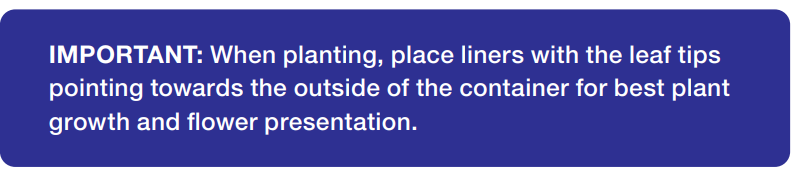
Tech tip: In propagation, stick cuttings with leaf tips out so not to overlap with neighboring cuttings. Day extension lighting to 14 hours is recommended for the first weeks of finished production to bulk plant size. Lighting should be discontinued at least four weeks prior to shipping flowering plants. Maintain higher humidity levels during finish production. Begonias are a preferred host for broad mites. Take extra care in scouting this crop. Most hand lenses are not powerful enough to see broad mites; 100x magnification is needed to see this pest. Use a preventative spray rotation of miticides that includes translaminar products. If an infestation occurs, we recommend two applications of Avid® 7 days apart followed by an application of a miticide with a different mode of action than Avid® such as Savate®, Floramite SC®, or Pylon®.
Moisture level: Media should be allowed to dry between irrigations. Alternate between moisture level 2 and 3.
2 - MEDIUM: Soil is light brown in color, no water can be extracted from soil, and soil will crumble apart.
3 - MOIST: Soil is brown in color, strongly squeezing the soil will extract a few drops of water, and trays are light with no visible bend.
Common pests: Thrips, broad mites
Common diseases: Botrytis, Tospovirus, Xanthomonas

Scheduling
| Size | Crop Time | Plants Per Pot |
|---|---|---|
1.0 quart (4.5 to 5 inch) | 6–8 weeks | 1 ppp |
| 1.25 to 2.5 quart (5.5 to 6.5 inch, trade gallon) | 8–10 weeks | 2–3 ppp |
| 3.0 quart to 2.0 gallon (7.5 to 10 inch) | 8–10 weeks | 3–4 ppp |
| 1.5 gallon hanging basket (10 inch basket) | 8–10 weeks | 3–4 ppp |
Estimated finish crop time is from transplant of a 72-cell tray and
finished at an average daily temperature (ADT) of 73 °F (22.5 °C).
Example crop schedule for a 2.5 quart
| Weeks From Transplant | Description |
|---|---|
| 1 week | rovide ADT of 73 °F and DLI levels above 14 mol·m−2·d−1. |
| 2 weeks | Soft pinch if not done in the liner stage. |
| 3 weeks | Apply a spray of copper-based fungicide for prevention of bacterial diseases. Scout for insect pests and spray as needed throughout crop cycle. |
| 4 weeks | Apply a spray of Altercel™ at 500–1,000 ppm if needed for growth control. |
| 6 weeks | Apply a broad-spectrum fungicide drench to prevent late-season basal stem and root rot diseases. |
| 8 weeks | Finish. |
Frequently asked questions
You can buy Syngenta Flowers' products through authorized distributors and brokers. Visit the Distributors section of our website to find a supplier near you.
No, Syngenta Flowers does not sell directly to consumers or growers. Our products are available through authorized distributors and brokers. Please refer to our Where to Buy page for more information.
You can stay informed by visiting the News section on our website, which features updates on new products, partnerships, and industry recognitions. You can also, sign up for our e-mail newsletters for the latest insights on new varieties, tech tips, and more!
Yes, we offer a Technical Document Library with culture guides, sell sheets, white papers, technical articles, and videos to support growers. We have a Grower Success Guide that serves as a fast and easy reference tool for all Annuals and perennials. And if you still need help, contact your broker rep directly, and they will resolve or direct you to the correct contact.
Grower Success Guide
Look for our flowers in garden centers across the country. Many of our seeds are available to consumers from seed packet companies online.
Growers, retailers, agencies, and brokers - can access images through the Trinity Image Library. The library link is conveniently located in the footer of every page.
Yes, during transport, plants experience a lot of stress and when plants are stressed they can release ethylene. Higher temperatures, enclosed spaces, and damage to the plants increase the ethylene concentrations in the shipping environment.
Resources
Protect your Ethylene-Sensitive Crops
All our product catalogs are available digitally on our website's catalog page. While we maintain limited printed versions, we primarily offer digital catalogs to support environmental sustainability.
For the most current product information, we recommend checking our website directly as product details may change more frequently than catalog updates.
You can find our videos across multiple platforms:
- YouTube: Subscribe to our Syngenta Flowers channel for growing tips, product showcases, and educational content
- Instagram: Follow us for quick video updates and stories
- LinkedIn: Connect with us for professional insights and industry news
- Document Library: Access our technical videos and product demonstrations
For the most comprehensive video collection, visit our YouTube channel.