












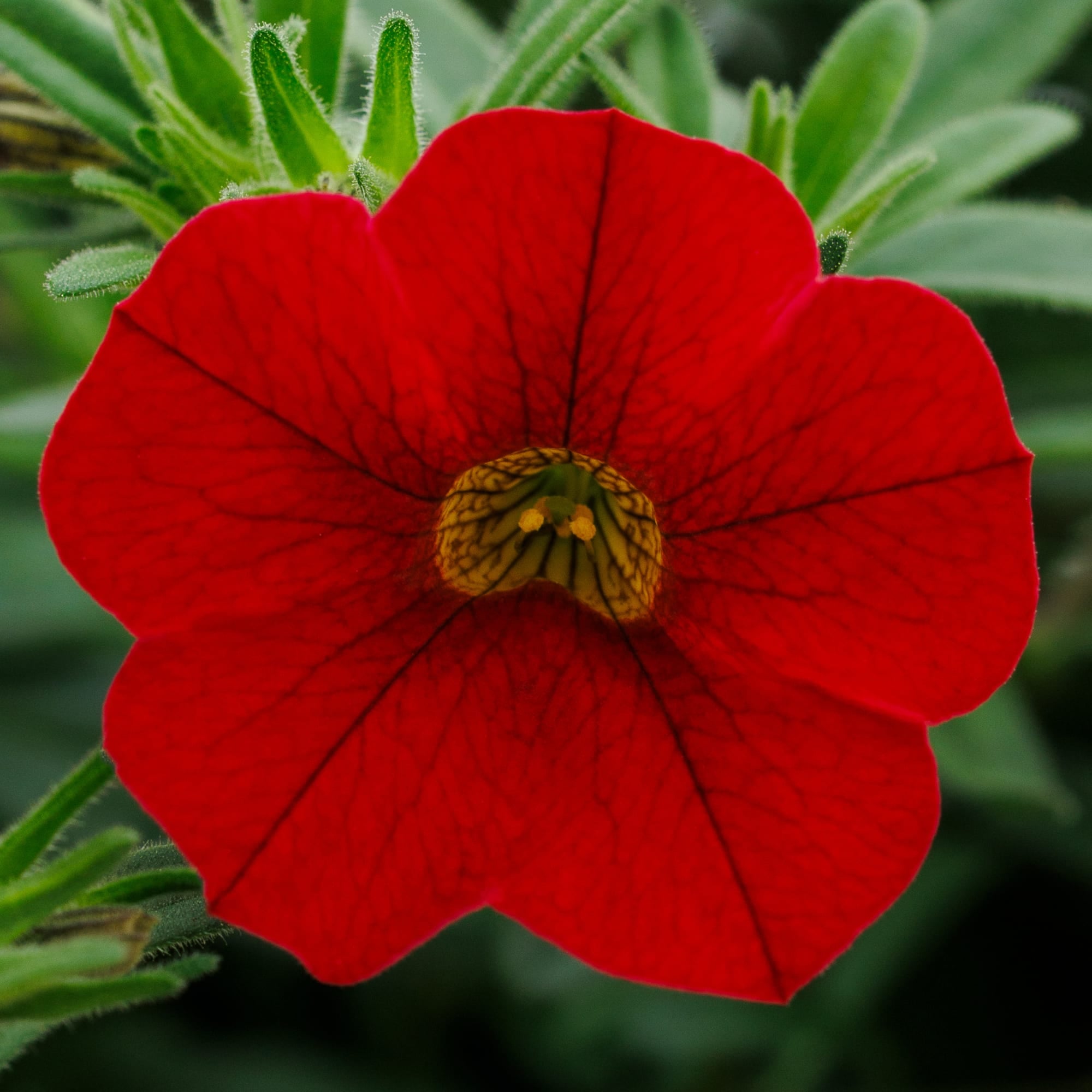


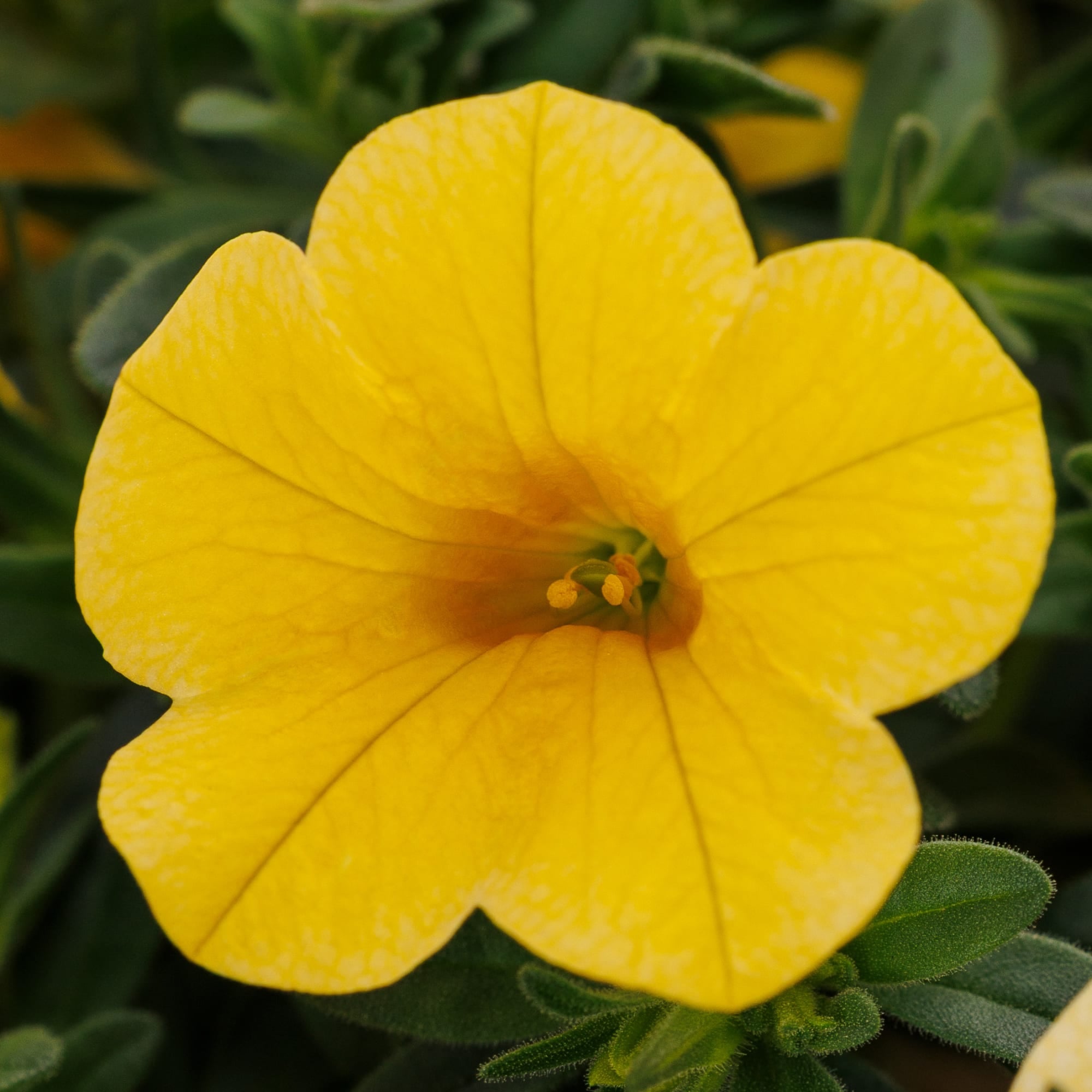
Description
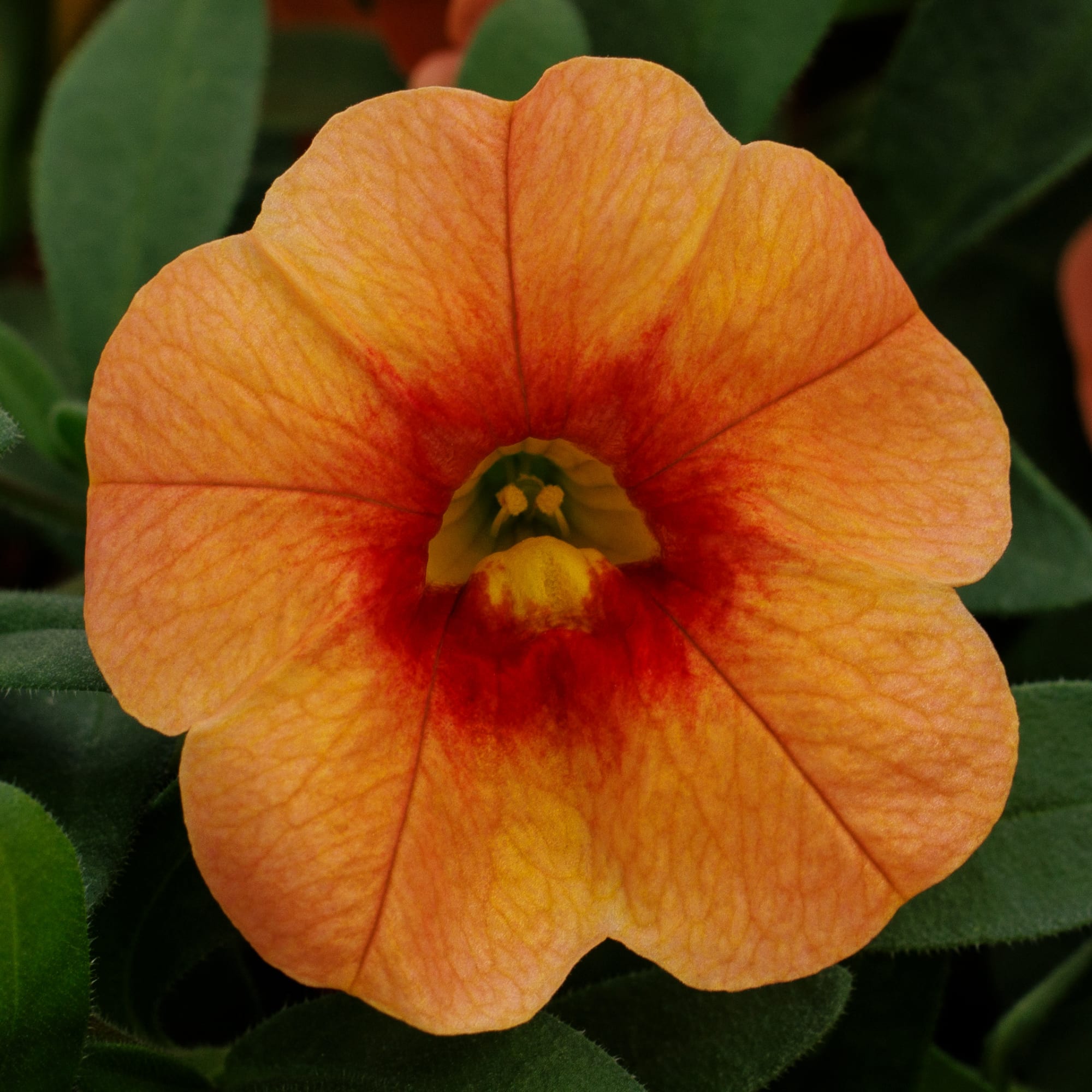
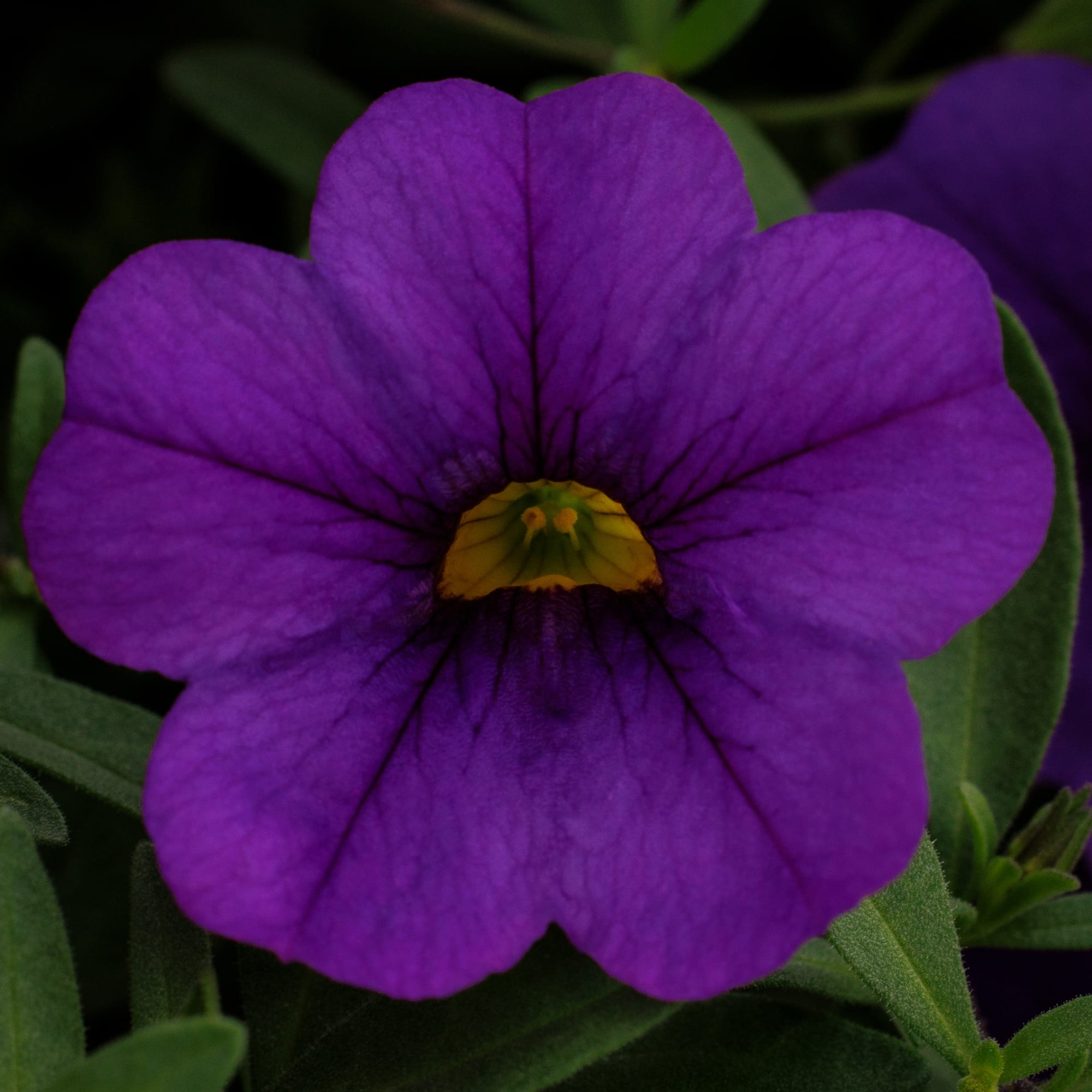
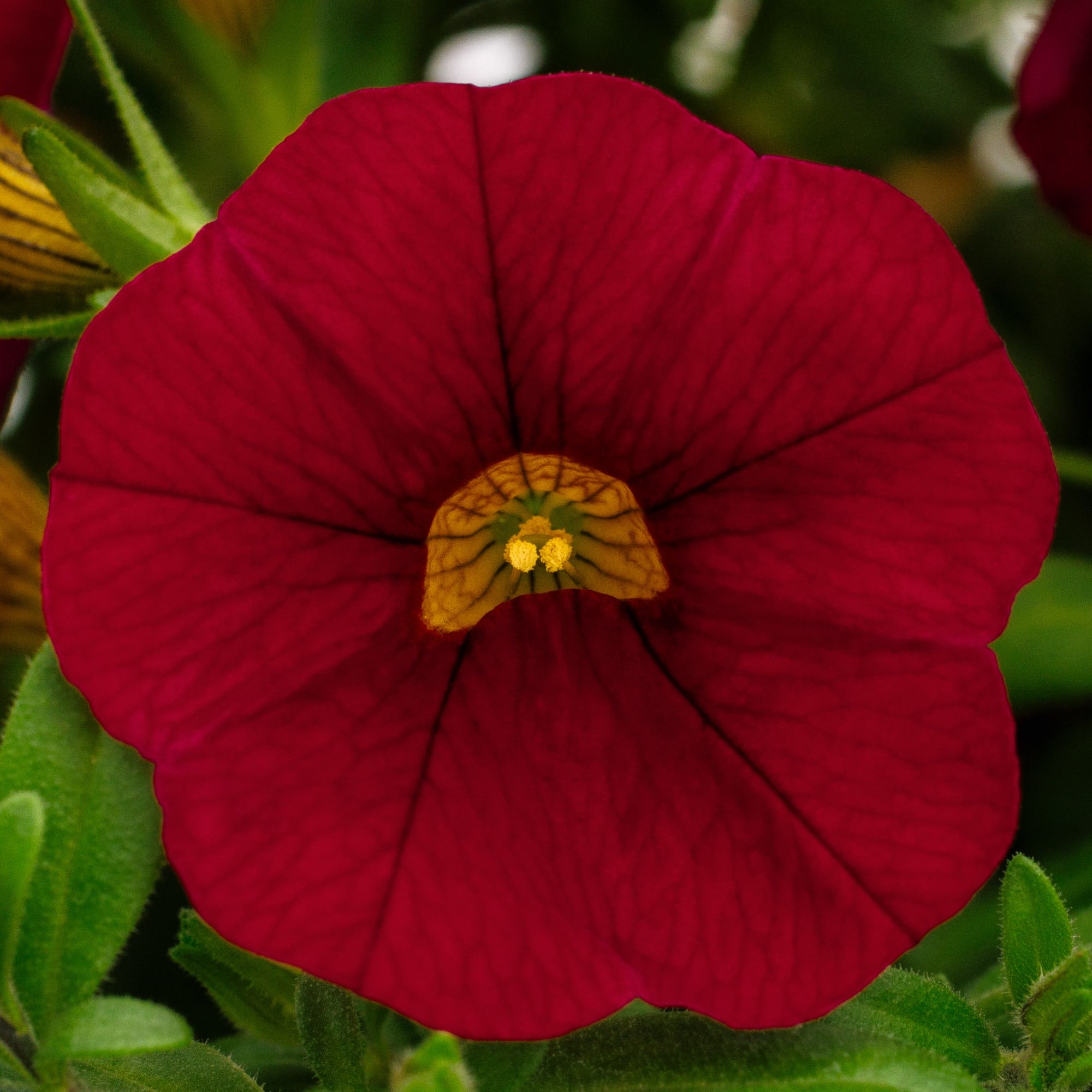
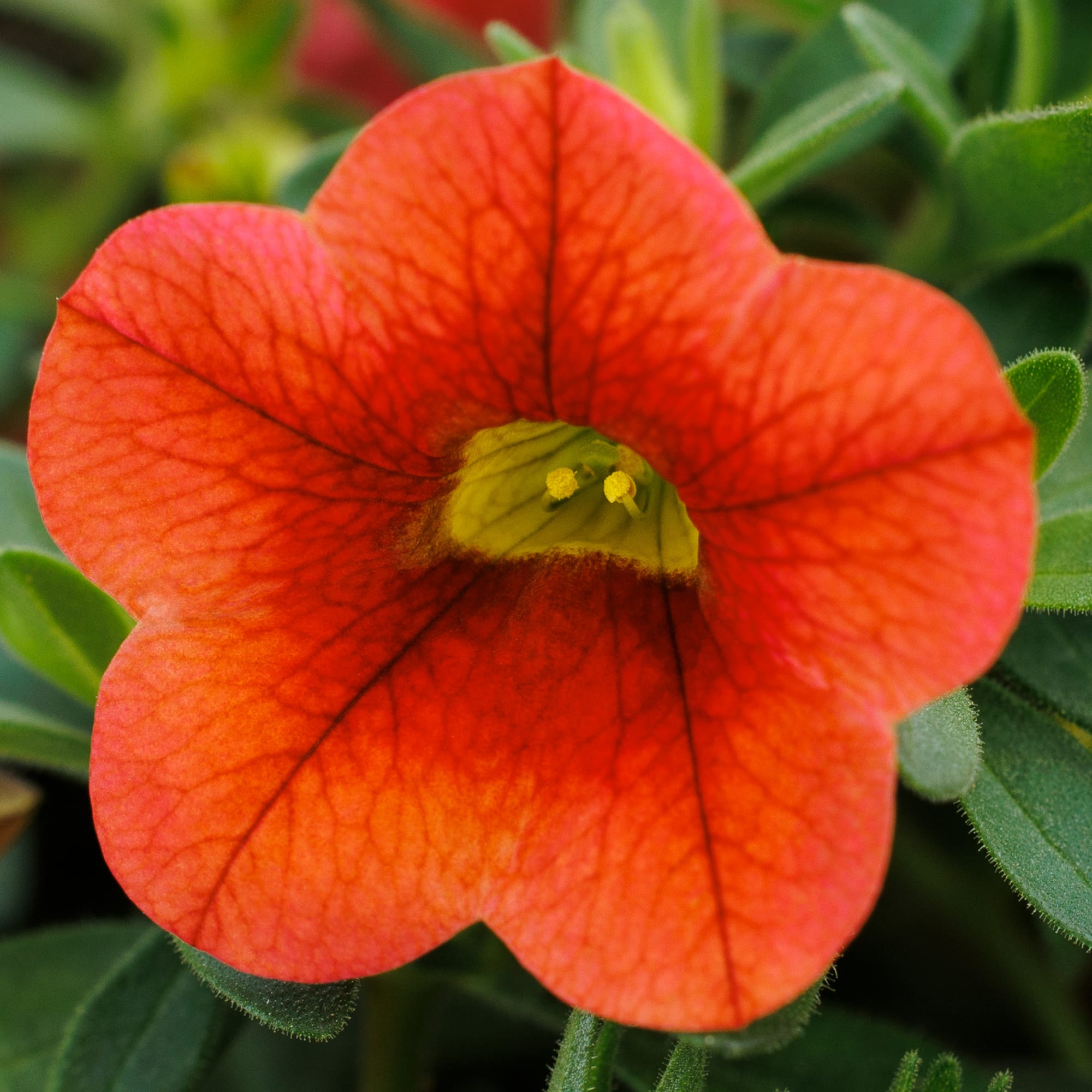
Color uncompromised.
- Big vigor, bold colors and continuous blooms from spring to fall.
- The perfect mixer and the primary foundation for many best-selling Kwik Kombos™.
- An excellent choice for premium hanging baskets and mixed combinations.
Availability
Features

Growing information
Culture Information
Callie®
Calibrachoa
Calibrachoa hybrida
Product form: Vegetative
Containers: Pints, Quarts, Gallons, Hanging Baskets
Habit: Trailing/Spreading
Garden Specifications
Garden height: 4–8" (10–20 cm) tall
Garden width: 14–18" (35–45 cm) wide
Exposure: Full Sun
USDA zone: 10–11
AHS zone: 11–2
Product use: Containers, Hanging Baskets, Patio Pots, Combos
Propagation of Unrooted Cuttings
Root emergence: 10–12 days
Rooting hormone: Recommended. A 0.1% (1,000 ppm) IBA concentration using either powder or liquid formulations can be applied to the lower portion of the cutting stem. Be careful not to coat the leaves or entire cutting–excess application can cause burning and damage to the cutting. Another option is to apply an overhead heavy spray to the cuttings (penetrating the rooting media) using water-soluble K-IBA at 250–300 ppm 24–48 hours after sticking. Do not use overhead applications of alcohol-based IBA solutions (ex. Dip 'n Grow®).
Bottom heat temperature: 72–74 °F (22–23 °C) for the first three weeks. After roots are well developed, temperatures can be lowered to hold and tone the cuttings.
Misting: Mist schedules vary depending on light and temperature conditions. Apply just enough moisture to rehydrate the cuttings and keep them from wilting. Cuttings should be hydrated and in a non-wilted stage within 24 hours after sticking. Cuttings that continue to wilt heavily after 24 hours will callus unevenly and will be delayed in rooting. CapSil® (spray adjuvant) can be sprayed on the cuttings at a rate of 2–4 oz/100 gal within 1–2 days after sticking to help in rehydration of the cuttings. Misting should be significantly reduced after 2–3 days and after cuttings become fully hydrated. Calibrachoas are particularly sensitive to overmisting. They will show chlorosis and have poor rooting when too much mist is applied, particularly early on after sticking the cuttings.
Recommended tray size: 105-cell (30 mm) or larger
Propagation timing: 4.5–5 weeks for a 105-cell tray; add more rooting time for significantly larger cell sizes.
Temperature
Day: 72–74 °F (22–23 °C)
Night: 72–74 °F (22–23 °C)
Lighting
Day extension lighting: Not necessary
Light intensity: 200–250 µmol·m−2·s−1 for the first two weeks after sticking or until root development occurs. Light levels can be increased up to 600 µmol·m−2·s−1 as rooting increases and the cutting matures.
Day length response: Facultative long day
Daily light integral (DLI): 4–6 mol·m−2·d−1 for the first two weeks after sticking or until root development occurs. DLI can be increased to greater than 12 mol·m−2·d−1 after root formation.
Media pH: 5.6–6.0
Media EC: SME EC: 0.9–1.3 mS/cm, Press/Squeeze Method EC: 1.4–2.0 mS/cm
Fertilizer: Begin fertilization at 100 ppm nitrogen when roots become visible. Rates can be increased up to 200 ppm nitrogen after roots become well developed. Use primarily Cal-Mag® (calcium nitrate + magnesium nitrate) fertilizers in propagation to prevent unwanted stretch. Supplemental feeding with additional iron (i.e., iron chelate) will help prevent iron deficiency and leaf tip chlorosis.
Pinching: Recommended
Plant growth regulators (PGRs): Callie® calibrachoas have a range of vigor, with some being relatively compact to others having more of a medium to medium-vigorous habit. To keep plants under control, a spray of B-Nine® WSG at 1,500–2,500 ppm can be applied after cuttings are well-rooted and vegetative growth begins. Tank mix Florel® at 350–500 ppm with the B-Nine® WSG solution listed above to increase growth control and to improve branching. These Florel® + B-Nine® WSG combo sprays should be applied to actively growing plants and done ideally before pinching. Do not spray B-Nine® WSG or Florel® + B-Nine® WSG tank mixes on stressed or weak cuttings. For all sprays listed above, the mist should be off for a minimum of one hour for the PGR to be absorbed into the leaf tissue.
Finishing
Temperature
Day: 70–72 °F (21–22 °C)
Night: 62–64 °F (17–18 °C)
Average daily temperature: 66–68 °F (19–20 °C)
Lighting
Day extension lighting: Beneficial to 14 hours
Light intensity: 800–1,200 µmol·m−2·s−1
Day length response: Facultative long day
Daily light integral (DLI): 16–18 mol·m−2·d−1
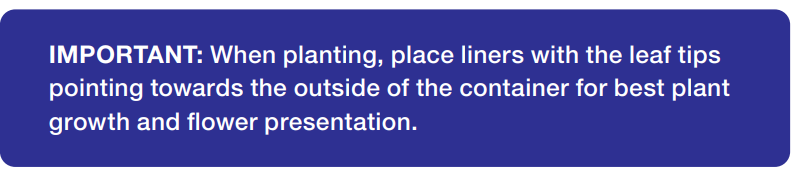
Transplanting: Transplant directly into the finished container. Place the rooting media slightly below the level of media in the container. Make sure the root ball is covered and the liner is situated in the center of the pot.
Media pH: 5.5–5.9
Media EC: SME EC: 1.5–2.1 mS/cm, PourThru EC: 2.3–3.2 mS/cm
Fertilizer: 200–250 ppm N
Pinching: Yes, one pinch is recommended 7–10 days after transplant. A second pinch can be given to plants grown in large baskets and containers. This second pinch can occur shortly before a final Bonzi® drench. Use proper sanitation when pinching or shearing calibrachoa. Calibrachoa and other solanaceous crops are highly susceptible to tobacco mosaic virus (TMV), which can be easily transmitted by mechanical means.
Plant growth regulators (PGRs): Callie® calibrachoas have a range of vigor, with some being relatively compact to others having more of a medium to medium-vigorous habit. To keep plants under control, sprays of either B-Nine® WSG (2,500–3,500 ppm) or Sumagic® (10–20 ppm) can be applied to the plants as needed. A spray of Florel® (350–500 ppm) or Florel® (350–500 ppm) + B-Nine® WSG (2,500 ppm) can also applied early on to control growth and improve branching. For the best-looking plants, a Bonzi® drench (2–3 ppm) should be applied to the media about four weeks before full finish and sale.
Tech tip: Keep the pH down in the mid-5.0s to avoid tip yellowing—drench with iron chelate if necessary. Avoid overwatering of young plants. Plants can be pinched twice in baskets and larger containers (once in prop, once after transplant). An early Florel® or Florel® + B-Nine® WSG spray improves branching. Mid-crop Bonzi® drenches are the key to beautiful mounded baskets. Watch for aphids. High DLIs and moderate-to-cool finishing temperatures produce high-quality calibrachoa. Use proper sanitation when pinching or shearing calibrachoa to prevent possible virus spread.
Moisture level: Media should be allowed to dry between irrigations. Alternate between moisture level 2 and 4. 2 - MEDIUM: Soil is light brown in color, no water can be extracted from soil, and soil will crumble apart. 4 - WET: Soil is dark brown but not shiny, no free water is seen at the surface of the soil, when pressed or squeezed water drips easily, and trays are heavy with a visible bend in the middle.
Common pests: Aphids, thrips, budworms
Common diseases: Botrytis, powdery mildew, viruses (TMV, TSWV)

Scheduling
| Size | Crop Time | Plants Per Pot |
|---|---|---|
| 1.0 pint (4 inch) | 6 weeks | 1 ppp |
| 1.0 quart (4.5 to 5 inch) | 6–7 weeks | 1 ppp |
| 1.25 to 2.5 quart (5.5 to 6.5 inch, trade gallon) | 8–10 weeks | 1 ppp |
| 3.0 quart to 1.5 gallon (8 to 10 inch) | 9–10 weeks | 2–3 ppp |
| 1.5 gallon hanging basket (10 inch basket) | 10–11 weeks | 4 ppp |
| 2.0 gallon hanging basket (12 inch basket) | 10–11 weeks | 5 ppp |
| 3.0 gallon hanging basket (14 inch basket) | 10–11 weeks | 6 ppp |
Estimated finish crop time is from transplant of a 105-cell tray and finished at the recommended average daily temperature of 68 °F (20 °C).
Example crop schedule for a 2.5 quart
| Weeks From Transplant | Description |
|---|---|
| 1 week | Provide average daily temperatures of 68 °F (20 °C) or warmer and DLI levels above 15 mol·m−2·d−1 |
| 2 weeks | Pinch if not done in propagation |
| 3 weeks | Apply a tank-mix spray of Florel® (350 ppm) + B-Nine® WSG (2,500 ppm) to control growth and improve branching |
| 4 weeks | Scout plants regularly for aphids and treat accordingly if needed. Monitor media pH and apply additional iron (i.e., iron chelate) to the fertilizer regime if necessary |
| 6 weeks | Evaluate plants and apply a Bonzi® drench at 2–3 ppm if needed |
| 10 weeks | Finish. |
Frequently asked questions
You can buy Syngenta Flowers' products through authorized distributors and brokers. Visit the Distributors section of our website to find a supplier near you.
No, Syngenta Flowers does not sell directly to consumers or growers. Our products are available through authorized distributors and brokers. Please refer to our Where to Buy page for more information.
You can stay informed by visiting the News section on our website, which features updates on new products, partnerships, and industry recognitions. You can also, sign up for our e-mail newsletters for the latest insights on new varieties, tech tips, and more!
Yes, we offer a Technical Document Library with culture guides, sell sheets, white papers, technical articles, and videos to support growers. We have a Grower Success Guide that serves as a fast and easy reference tool for all Annuals and perennials. And if you still need help, contact your broker rep directly, and they will resolve or direct you to the correct contact.
Grower Success Guide
Look for our flowers in garden centers across the country. Many of our seeds are available to consumers from seed packet companies online.
Growers, retailers, agencies, and brokers - can access images through the Trinity Image Library. The library link is conveniently located in the footer of every page.
Yes, during transport, plants experience a lot of stress and when plants are stressed they can release ethylene. Higher temperatures, enclosed spaces, and damage to the plants increase the ethylene concentrations in the shipping environment.
Resources
Protect your Ethylene-Sensitive Crops
All our product catalogs are available digitally on our website's catalog page. While we maintain limited printed versions, we primarily offer digital catalogs to support environmental sustainability.
For the most current product information, we recommend checking our website directly as product details may change more frequently than catalog updates.
You can find our videos across multiple platforms:
- YouTube: Subscribe to our Syngenta Flowers channel for growing tips, product showcases, and educational content
- Instagram: Follow us for quick video updates and stories
- LinkedIn: Connect with us for professional insights and industry news
- Document Library: Access our technical videos and product demonstrations
For the most comprehensive video collection, visit our YouTube channel.