










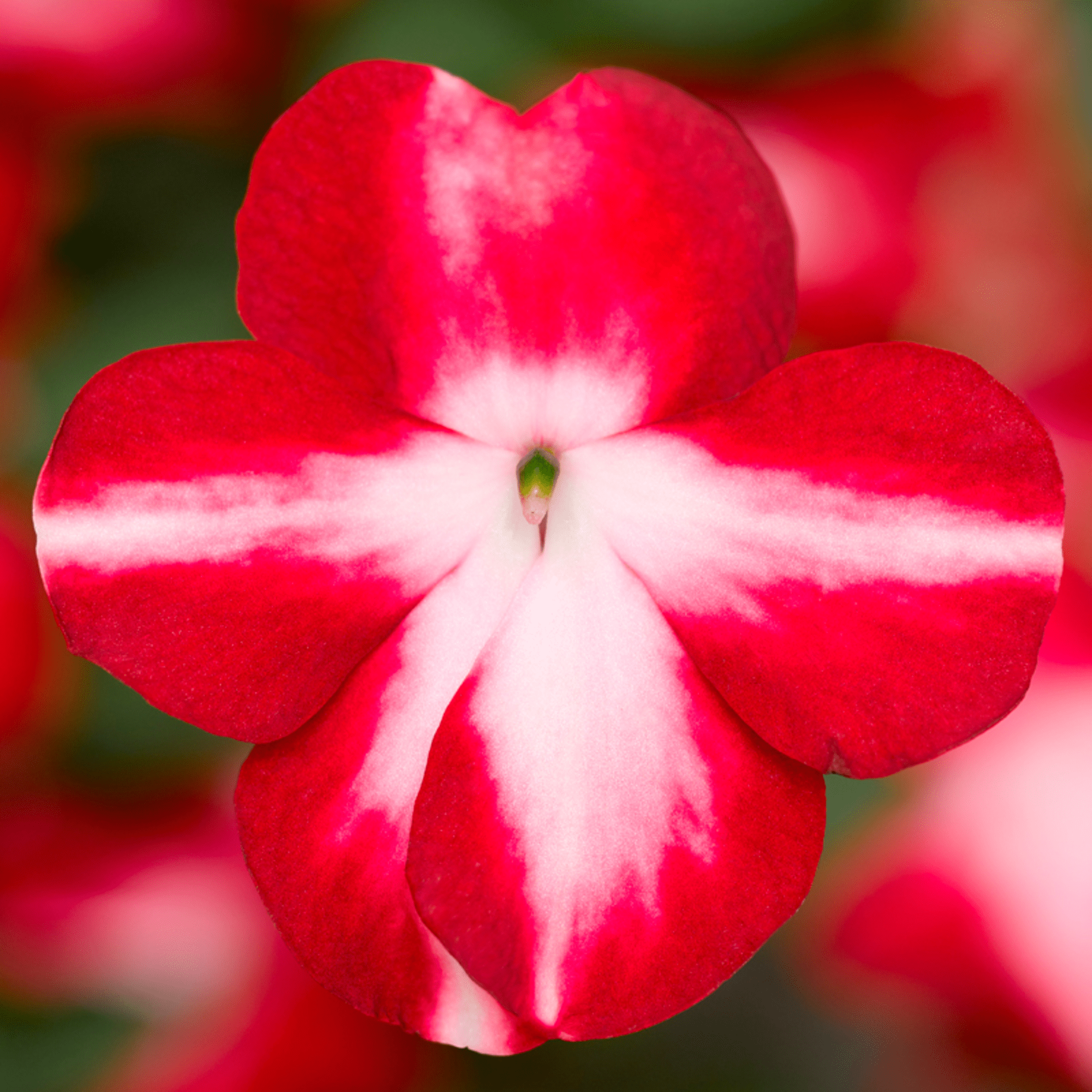
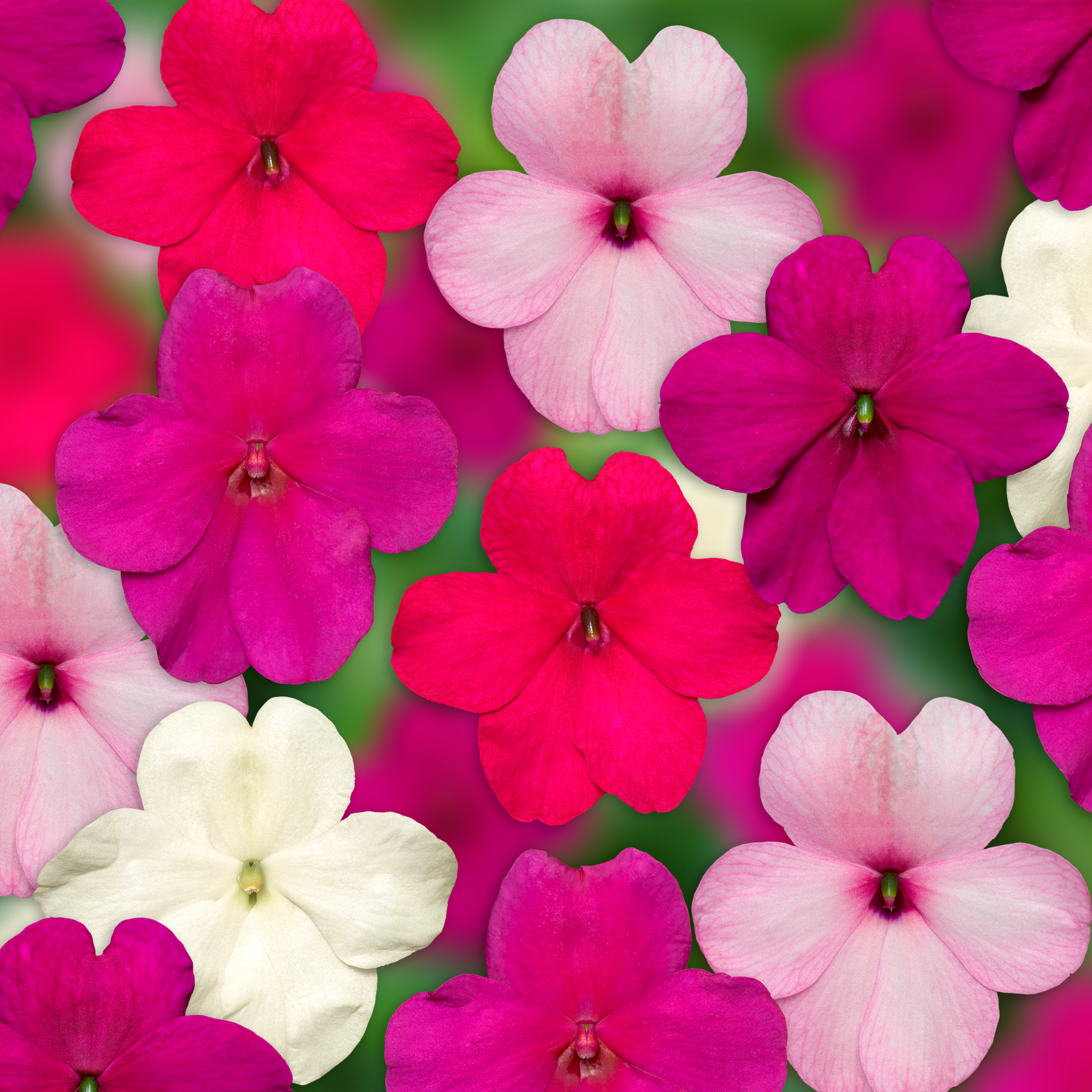
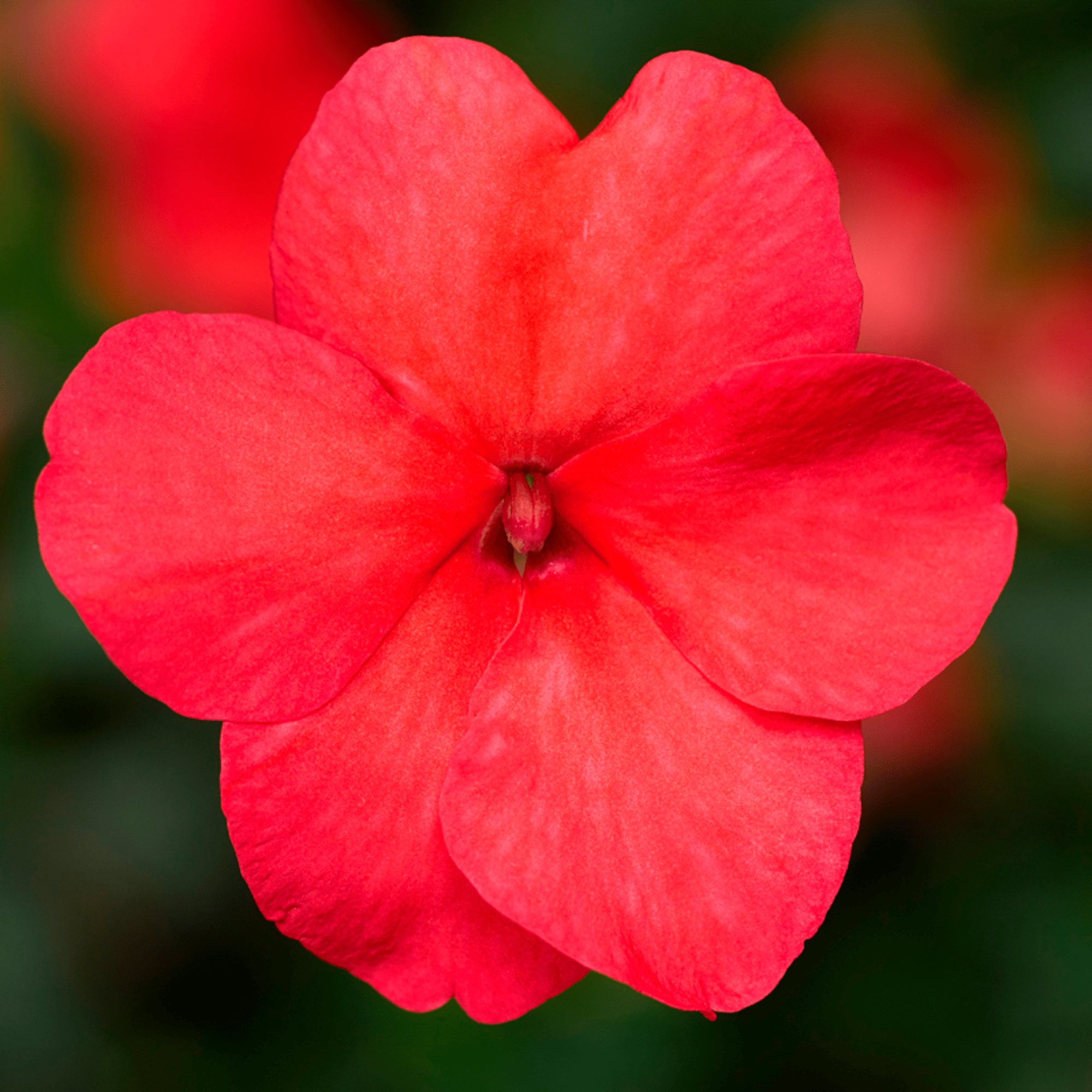
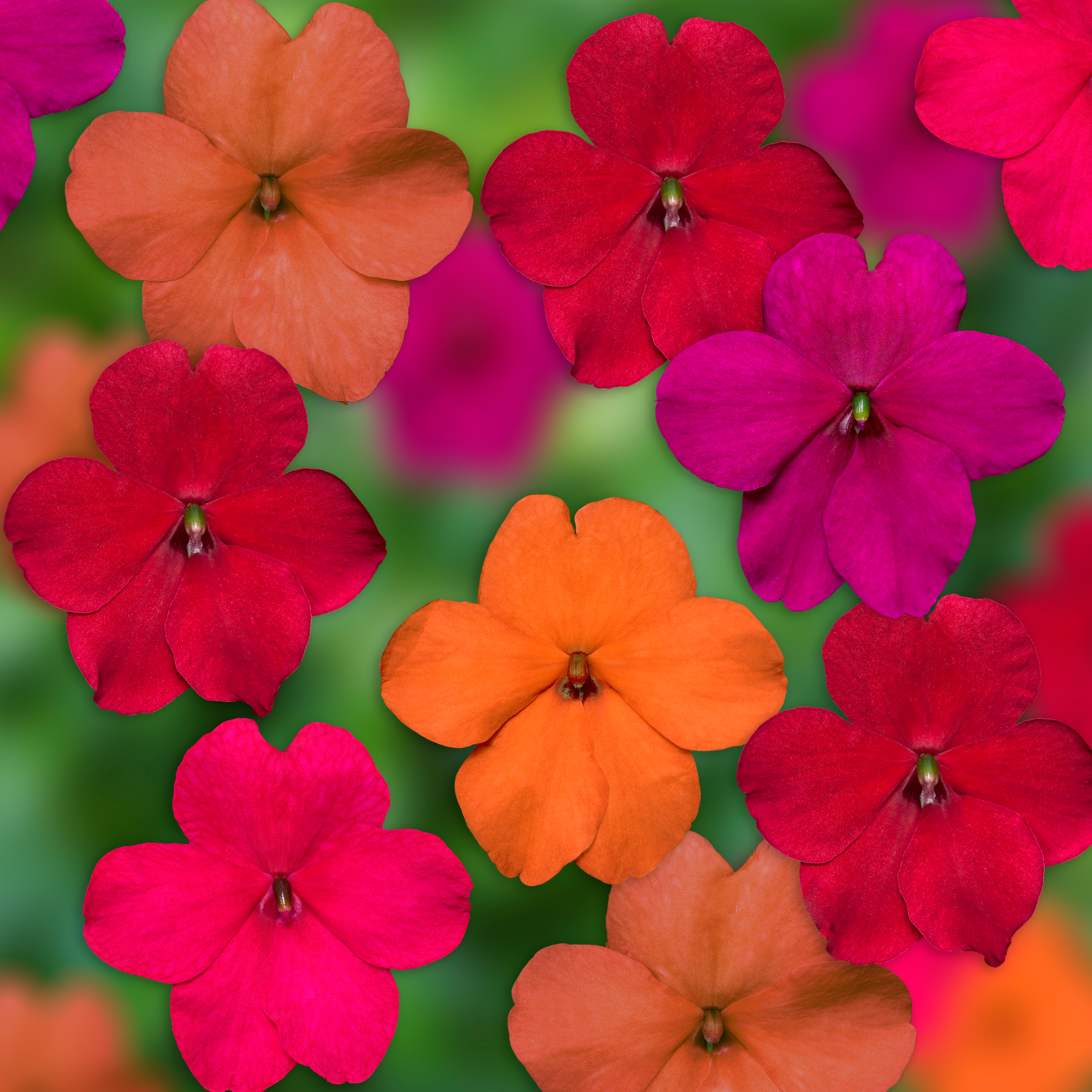

Description
Take back the shade!
- The first Impatiens walleriana with a high degree of resistance to downy mildew.1
- Proven landscape performance that fights back with reliable flowering all season long.
- Easy and economical to produce, with a compact branching habit ideal for high-density growing in packs and pots.
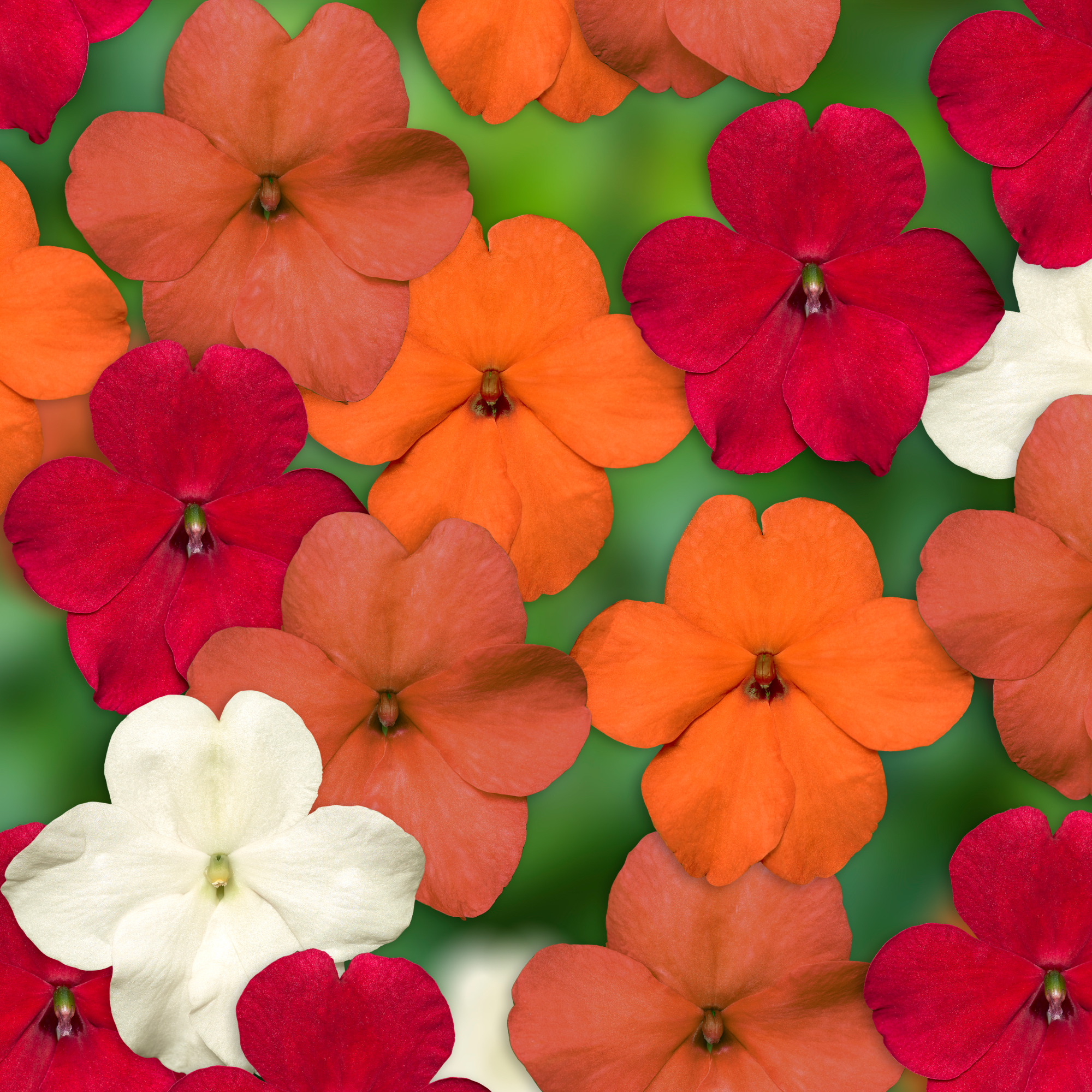
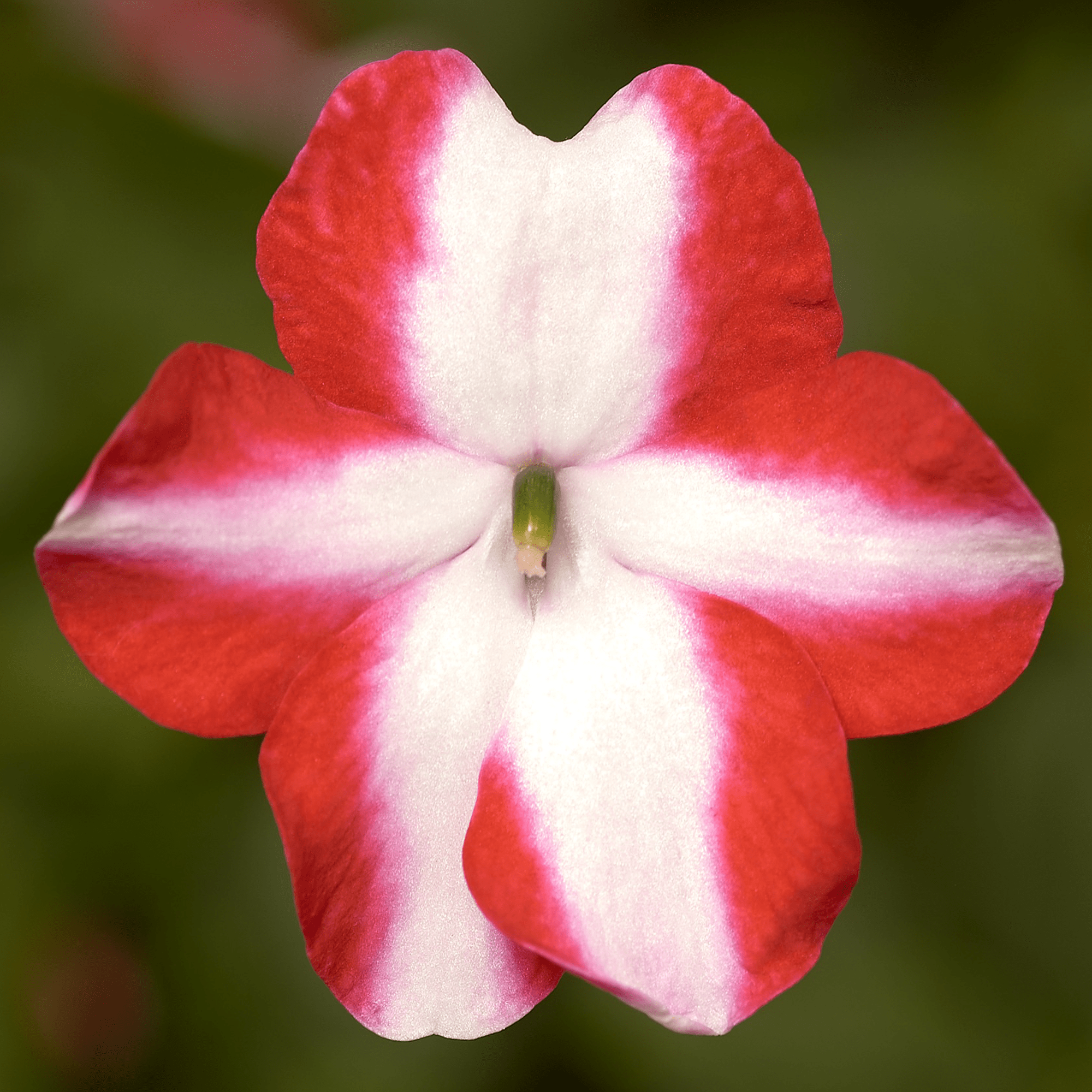
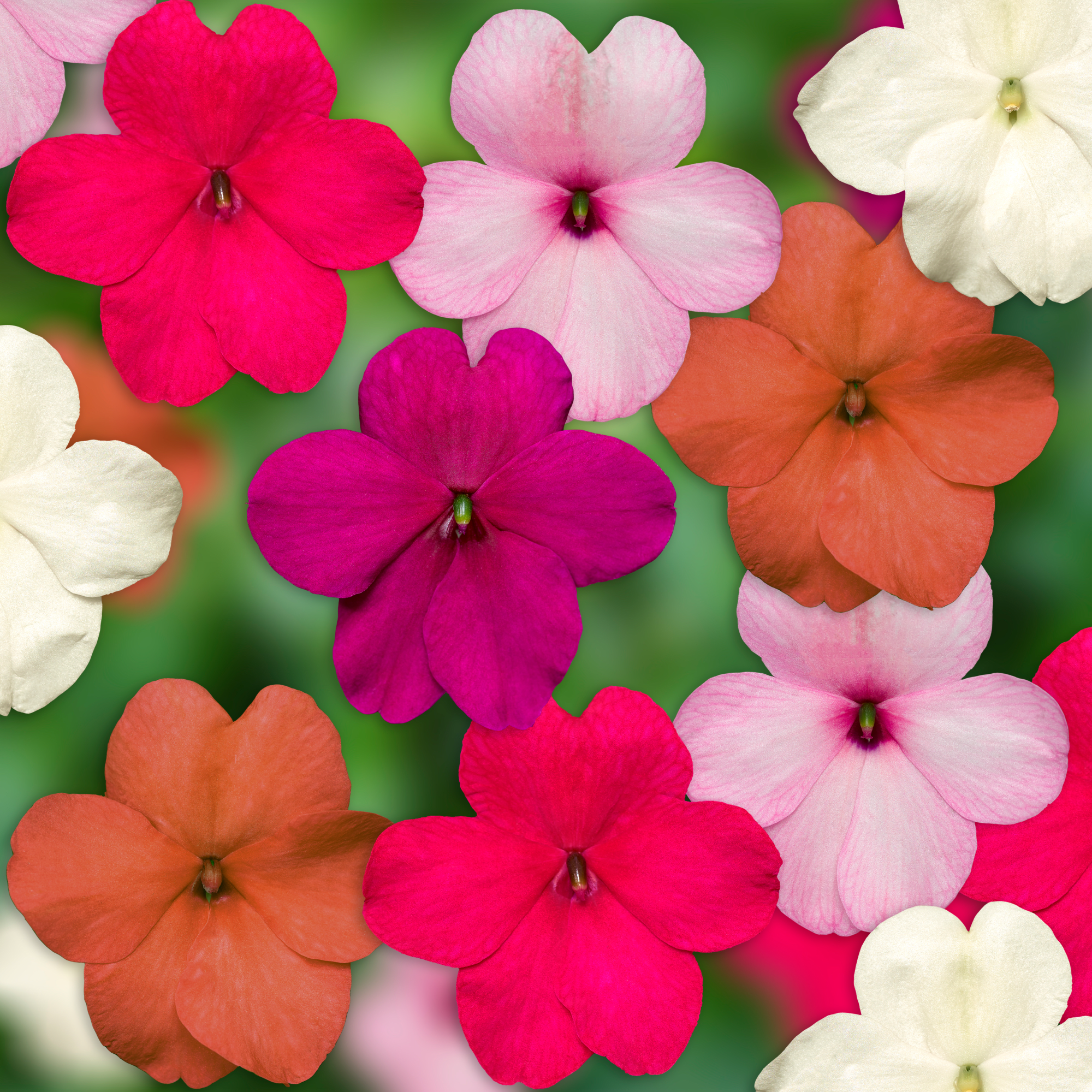
- A complete range of core and novelty colors in one disease-resistant series.
1 Confirmed in independent trials in North America and Europe including trials in 2017 and 2018 at Cornell University’s Long Island Horticultural Research and Extension Center.
Features
Growing information
Culture Information
Imara® XDR
Impatiens
Impatiens walleriana
Product form: Seed
Containers: Packs, Pints, Quarts, Gallons, Hanging Baskets
Habit: Mounded
Garden Specifications
Garden height: 10–12" (30–35 cm) tall
Garden width: 10–12" (30–35 cm) wide
Exposure: Shade
USDA zone: 11
AHS zone: 9–1
Product use: Packs, Containers, Hanging Baskets, Landscapes
XDR Disease Resistance
XDR: Imara XDR simplifies production with just 3 fungicide applications from start to landscape performance (up to 24–26 weeks) to keep your Impatiens crop healthy, compared to weekly applications for non-IDM resistant varieties. 1. Imara XDR Impatiens have a high degree of resistance to Impatiens Downy Mildew (IDM), confirmed in independent trials in North America and Europe.1 However, they are not immune to the disease. 2. For this reason, we highly recommend chemical rotations as a responsible and critical part of a disease resistance maintenance program. 3. Applications are also advised to control several other diseases that can infect Impatiens, such as Pythium, Myrothecium, Alternaria and Botrytis. 1Confirmed in independent trials in North America and Europe including trials in 2017 and 2018 at Cornell University’s Long Island Horticultural Research & Extension Center.
Germination
Germination time: 3–5 days
Media temperature: 72–75 °F (22–24 °C)
Chamber: Optional
Light: Required for germination
Seed cover: Yes
Seeds per cell: 1
Moisture level: 5 - SATURATED: Soil is dark brown and shiny, free water is present at the surface of the soil, water drips freely from the bottom of the tray, and trays are heavy with a visible bend in the middle.
Young Plant Production
Recommended tray size: 288-cell tray
Temperature
Day: 66–68 °F (19–20 °C)
Night: 66–68 °F (19–20 °C)
Average daily temperature: 66–68 °F (19–20 °C)
Lighting
Day extension lighting: Not necessary
Light intensity: 2,500 foot candles (500 µmol·m−2·s−1)
Day length response: Day neutral
Daily light integral (DLI): 10–12 mol·m−2·d−1
Media pH: 5.8–6.2
Media EC: SME 0.5 to 0.75 mS/cm
Fertilizer: 75–125 ppm N
Moisture level: Media should be allowed to dry between irrigations. Alternate between moisture level 2 and 4. 2 - MEDIUM: Soil is light brown in color, no water can be extracted from soil, and soil will crumble apart. 3 - MOIST: Soil is brown in color, strongly squeezing the soil will extract a few drops of water, and trays are light with no visible bend. 4 - WET: Soil is dark brown but not shiny, no free water is seen at the surface of the soil, when pressed or squeezed water drips easily, and trays are heavy with a visible bend in the middle.
Pinching: No
Plant growth regulators (PGRs): Impatiens are responsive to B-Nine® WSG, Bonzi® and Sumagic®.
Plug grow time: 4–5 weeks in a 288-cell tray
Tech tip: Use a calcium based fertilizer and feed once a week at most to avoid soft growth and stretching of plugs. Do not let plants go into the night with wet foliage or tip abortion may occur, downward cupping or twisting of immature leaves may be caused by overuse of PGRs. Subdue Maxx® and/or Segway® fungicide drenches are recommended plug stage fungicides for disease management, and rotations of Mural® and Micora® fungicide sprays and Segovis® fungicide sprays or drenches are recommended for the finishing stage.
Finishing
Temperature
Day: 72–74 °F (22–23 °C)
Night: 62–64 °F (17–18 °C)
Average daily temperature: 69 °F (21 °C)
Lighting
Day extension lighting: Not necessary
Light intensity: 2,000–4,000 foot candles
Day length response: Day neutral
Daily light integral (DLI): 10–12 mol·m−2·d−1
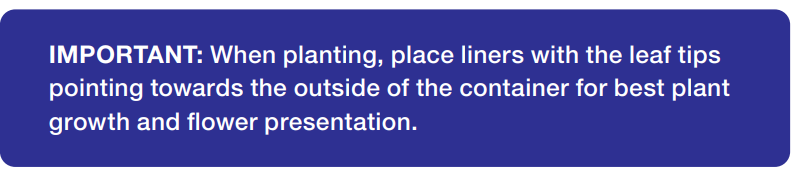
Transplanting: Transplant directly into the finished container. Place the rooting media slightly below the level of media in the container. Make sure that the root ball is covered and that the cutting is situated in the center of the pot.
Media pH: 5.8–6.2
Media EC: SME EC: 0.9–1.3 mS/cm, PourThru EC: 1.4–2.0 mS/cm
Fertilizer: 75–125 ppm N
Pinching: No. Pinching is not recommended or needed.
Plant growth regulators (PGRs): Impatiens are responsive to B-Nine WSG, Bonzi and Sumagic.
Tech tip: Use a calcium based fertilizer and feed once a week at most to avoid soft growth and stretching of plants. Do not let plants go into the night with wet foliage or tip abortion may occur, especially during early stages of growth. Downward cupping or twisting of immature leaves may be caused by overuse of PGRs. It is better to use less water and fertilizer than PGRs to control growth. Imara XDR simplifies production with just 3 fungicide applications from start to landscape performance (up to 24–26 weeks) to keep your Impatiens crop healthy, compared to weekly applications for non-IDM resistant varieties. Imara XDR Impatiens have a high degree of resistance to Impatiens Downy Mildew (IDM), confirmed in independent trials in North America and Europe. However, they are not immune to the disease. For this reason, we highly recommend chemical rotations as a responsible and critical part of a disease resistance maintenance program. Applications are also advised to control several other diseases that can infect Impatiens, such as Pythium, Myrothecium, Alternaria and Botrytis.
Moisture level: Media should be allowed to dry between irrigations. Alternate between moisture level 2 and 3.
Common pests: Thrips, fungus gnats, aphids and spider mites
Common diseases: Pythium root rot, Botrytis blight, INSV, TSWV, Pseudomonas, Rhizoctonia and Alternaria leaf spot
Postharvest: Try Chrysal Alesco®, a postharvest foliar spray, to protect ethylene sensitive crops during shipping and retail

Scheduling
| Size | Crop Time | Plants Per Pot |
|---|---|---|
| Packs | 4–5 weeks | 1 ppp |
| Large Packs | 5–6 weeks | 1 ppp |
| 1.0 pint (4 inch) | 6–7 weeks | 1 ppp |
| 1.0 quart (4.5 to 5 inch) | 6–7 weeks | 1 ppp |
| 1.25 to 2.5 quart (5.5 to 6.5 inch, trade gallon) | 7–8 weeks | 1–3 ppp |
| 3.0 quart to 2.0 gallon (7.5 to 10 inch) | 9–10 weeks | 5–7 ppp |
| 1.5 gallon hanging basket (10 inch basket) | 9–10 weeks | 5–7 ppp |
| 2.0 gallon hanging basket (12 inch basket) | 10–12 weeks | 5–7 ppp |
Estimated finish crop time is from transplant of a 288-cell tray and finished at an average daily temperature (ADT) of 70 °F (21 °C).
Example crop schedule for a large pack
| Weeks From Sow | Description |
|---|---|
| Week 1 | Sow into 288-cell or similar plug tray |
| Week 2 | Once cotyledons have expanded, alternate between a level 4 (wet) and level 2 (medium) media moisture, apply fungicide (Subdue Maxx drench at 1 oz/100 gallons) |
| Week 3 | PGR: Spray B-Nine WSG (daminozide) to tone plugs |
| Week 5 | Transplant 1 plug per cell for packs and finish at an ADT of 70 °F (21 °C) |
| Week 7 | Apply fungicide (Mural spray at 5–6 oz/100 gallons or Micora spray at 8 oz/100 gallons) |
| Week 8 | PGR: Spray B-Nine WSG, Bonzi, or Sumagic |
| Week 9 | Apply fungicide (Segovis drench at 1 oz/100 gallons) |
| Week 10 | Finish. |
Frequently asked questions
You can buy Syngenta Flowers' products through authorized distributors and brokers. Visit the Distributors section of our website to find a supplier near you.
No, Syngenta Flowers does not sell directly to consumers or growers. Our products are available through authorized distributors and brokers. Please refer to our Where to Buy page for more information.
You can stay informed by visiting the News section on our website, which features updates on new products, partnerships, and industry recognitions. You can also, sign up for our e-mail newsletters for the latest insights on new varieties, tech tips, and more!
Yes, we offer a Technical Document Library with culture guides, sell sheets, white papers, technical articles, and videos to support growers. We have a Grower Success Guide that serves as a fast and easy reference tool for all Annuals and perennials. And if you still need help, contact your broker rep directly, and they will resolve or direct you to the correct contact.
Grower Success Guide
Look for our flowers in garden centers across the country. Many of our seeds are available to consumers from seed packet companies online.
Growers, retailers, agencies, and brokers - can access images through the Trinity Image Library. The library link is conveniently located in the footer of every page.
Yes, during transport, plants experience a lot of stress and when plants are stressed they can release ethylene. Higher temperatures, enclosed spaces, and damage to the plants increase the ethylene concentrations in the shipping environment.
Resources
Protect your Ethylene-Sensitive Crops
All our product catalogs are available digitally on our website's catalog page. While we maintain limited printed versions, we primarily offer digital catalogs to support environmental sustainability.
For the most current product information, we recommend checking our website directly as product details may change more frequently than catalog updates.
You can find our videos across multiple platforms:
- YouTube: Subscribe to our Syngenta Flowers channel for growing tips, product showcases, and educational content
- Instagram: Follow us for quick video updates and stories
- LinkedIn: Connect with us for professional insights and industry news
- Document Library: Access our technical videos and product demonstrations
For the most comprehensive video collection, visit our YouTube channel.